What to look for in a vintage watch
Read the case, dial and service record together before deciding what a watch is worth to you.
Let the case tell you how it has lived
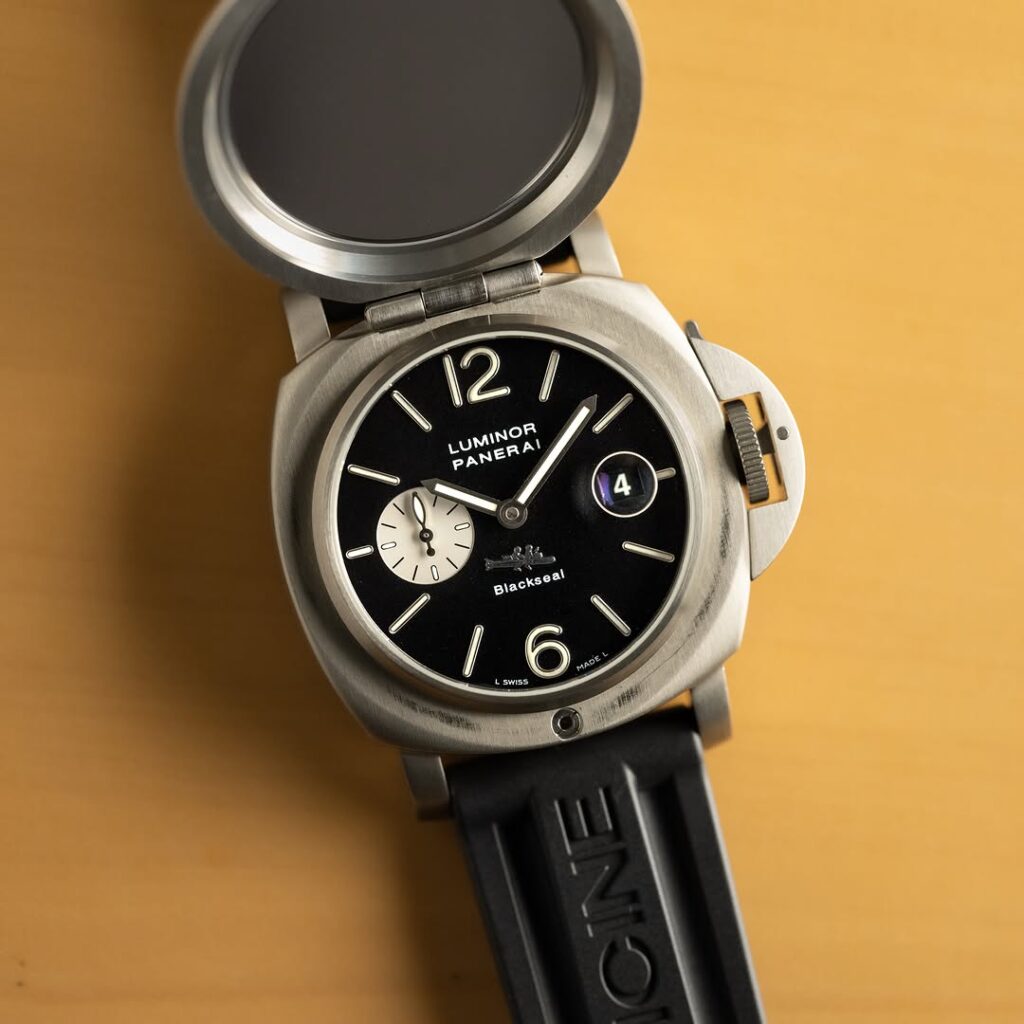
Look at the lugs and the transitions between brushed and polished surfaces. Worn edges can be expected, but blurred transitions may suggest heavy refinishing. Ask for side-on photos and compare the shapes of all four lugs.
Look at the dial in ordinary light
Ask for a straight-on photograph in daylight. Compare printing, markers and hand lengths against documented examples of the same reference and period. Patina and replacement parts can both be part of a watch’s history, provided you know what you’re buying.
Ask what the service actually covered
A recent service date is most helpful with an invoice that names the work. Ask about replacement parts, timekeeping and whether a pressure test was performed. Treat water resistance as unverified until you have a current test.
Write down your priorities
Decide how you weigh originality, everyday reliability and the cost of service. A well-documented watch with visible wear can suit your plans better than a cleaner-looking example with an unclear history.